Endodontics and Root Canal in Sterling VA
Average Cost of a Root Canal in Sterling, VA (2026)
If you are uninsured, the cost of a root canal in Sterling typically falls between $897 and $1,600. Your final out-of-pocket cost will depend on which tooth is treated. For example, front teeth are the most affordable, while molars (back teeth) are more expensive due to their complexity. Conversely, if you have dental insurance, most plans classify root canals as a “major” procedure and will cover between 50% and 80% of the cost after you meet your deductible. This means you would likely pay between $200 and $800 out-of-pocket. It is important to note that a permanent crown, which is needed to protect the tooth, is often billed separately.
To help you plan your budget, the table below offers specific estimates. These figures are averages and do not include the cost of the final crown:
Front Tooth (Incisor/Canine)
Estimated Cost Without Insurance $600 – $1,100
Estimated Cost With Insurance $120 – $550
Premolar (Bicuspid)
Estimated Cost Without Insurance $700 – $1,300
Estimated Cost With Insurance $140 – $650
Molar (Back Tooth)
Estimated Cost Without Insurance $1,000 – $1,600
Estimated Cost With Insurance $200 – $800
For a more precise cost based on your specific case and insurance, we encourage you to contact our office for a personalized consultation and cost estimate.
The Truth Behind Root Canals in Sterling, VA
Root canals are one of the most common dental procedures performed today, yet they remain one of the most misunderstood. Every year, over 15 million root canals are performed in the United States. This statistic isn’t just a number—it reflects the reality that root canals are a safe, routine, and highly effective way to preserve your natural smile.
A root canal treatment is a straightforward process. During the procedure, the dentist removes the inflamed or infected pulp from the center of the tooth. The space is then thoroughly cleaned, disinfected, and sealed. This process eliminates bacteria, prevents reinfection, and most importantly, allows you to keep your natural tooth for a lifetime.
At Sterling Dentist, we believe in empowering our patients with facts. When you understand the procedure, you can approach it without anxiety. Our dedicated team is here to provide the truth behind root canals and help you make the best decision for your health. To schedule a consultation, call us at 703-703-9355.
When Is a Root Canal Necessary?
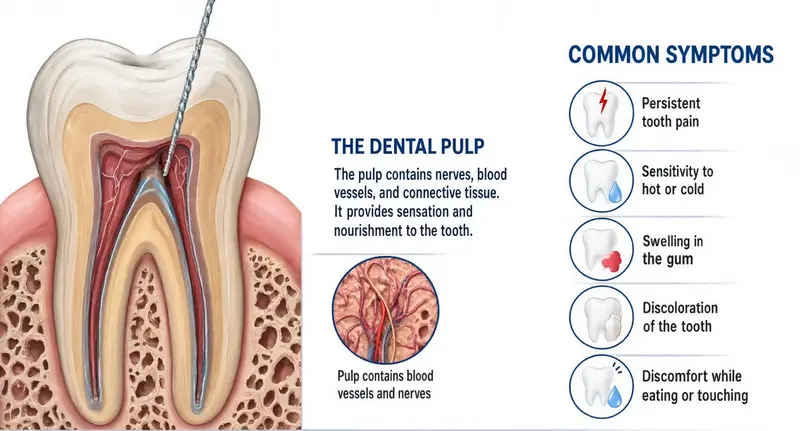
The pulp of your tooth, which contains nerves and blood vessels, can become irritated and infected for a variety of reasons. Common causes include deep decay, repeated dental procedures on the same tooth, large fillings, a chip or crack in the tooth, or facial trauma.
Knowing the warning signs can help you seek treatment early and avoid more serious complications. Symptoms that may indicate you need a root canal include:
- Sensitivity to Temperature: A lingering ache or sharp pain after consuming hot or cold foods and liquids.
- Pain When Chewing: Severe discomfort or sharp pain while biting down or chewing.
- Gum Irritation: The appearance of small, pimple-like bumps on the gums or swollen, tender gum tissue near the affected tooth.
- Discoloration: A darkening or greyish tint of the tooth, indicating the pulp is not healthy.
If you are experiencing any of these symptoms, time is of the essence. The longer you wait, the more likely the infection will spread to the surrounding tissue, which could lead to an extraction. It is also crucial to remember that not everyone experiences obvious symptoms. This is why regular dental check-ups are vital for catching problems early.
A Safe, Common, and Highly Successful Procedure
Root canals are one of the most common dental procedures performed across the country. A survey by the American Association of Endodontists (AAE) found that 45% of adults have had a root canal. That number translates to millions of patients who have successfully saved their natural teeth through this treatment. The high frequency of this procedure is a testament to its safety and effectiveness in modern dentistry. Root canals have an exceptionally high success rate of over 95% and are designed to eliminate bacteria from the tooth, saving it from extraction.
Despite the many misconceptions that circulate online, root canals are low-risk and are now comparable to a routine cavity filling in terms of patient comfort and experience. Thanks to advancements in dental techniques and anesthetics, the procedure is not only comfortable but also reverses the pain caused by the infection.
Common Myths and Misconceptions
Unfortunately, persistent myths keep many patients from seeking the dental care they need. The AAE has worked to debunk these falsehoods with clear, scientific evidence. Let’s separate fact from fiction.
Myth #1: Getting a root canal is extremely painful
This is the most common and pervasive myth. In reality, the pain you are feeling is from the infection, not the procedure itself. Modern anesthetics and advanced techniques mean that a root canal is no more uncomfortable than getting a cavity filled. The procedure provides relief by eliminating the source of the infection. In fact, a significant majority of patients who have undergone the procedure—71%—report being glad they chose a root canal over a tooth extraction.
Myth #2: A root canal will cause illness or cancer
This dangerous myth stems from outdated and poorly designed research conducted in the 1920s, which has long since been debunked by the scientific community. The American Association of Endodontists (AAE), the American Dental Association (ADA), and numerous peer-reviewed studies have all refuted any link between root canal treatment and systemic diseases like cancer. Root canals are designed to remove harmful bacteria from the body, not introduce it.
Myth #3: Tooth extraction is a better, cheaper option
Preserving your natural tooth should always be the top priority. A tooth extraction may seem like a quick fix, but it leads to a cascade of other issues, including shifting teeth, bone loss in the jaw, and the need for expensive restorations like implants or bridges. In most cases, a root canal is safer, less painful, and more economical than extraction and replacement.
Rare Complications
When performed by a skilled dentist or endodontist, complications from a root canal are very rare. However, it is normal to be aware of what could happen. In some cases, an initial infection can return. This may occur if a small canal was missed during the initial cleaning, an undetected crack exists in the tooth root, or if the final sealing material breaks down over time.
Other rare issues include the tooth becoming brittle and fracturing if a protective dental crown is not placed in a timely manner. If you experience any pain or swelling after you have healed, it is important to schedule an exam with our dentist. In most cases, these issues can be resolved with a second root canal procedure or a minor root-end resection.
Pros and Cons of Root Canal Treatment
When weighing your options, it is helpful to look at the clear benefits versus the potential drawbacks.
Pros:
- Preserves Your Natural Tooth: This is the single greatest benefit. Your natural tooth functions better than any artificial replacement.
- Prevents the Spread of Infection: A root canal stops infection from spreading to the jawbone and other parts of the body.
- Efficient and Cost-Effective: In the long run, saving your natural tooth is far more economical than an extraction followed by an implant or bridge.
- Restores Comfort: The procedure eliminates the severe pain of a toothache by removing the inflamed nerve tissue.
Cons:
- Potential for Re-infection: As mentioned, in rare cases, an infection can recur.
- Increased Brittleness: The tooth becomes more fragile without its inner pulp and may require a crown to prevent cracking.
Our dentist will help you weigh these pros and cons based on your unique dental health to help you make the most informed decision.
Frequently Asked Questions
Q: When is a root canal absolutely necessary?
A: A root canal is necessary when the pulp of your tooth is irreversibly damaged by deep decay, a crack, or trauma. Without treatment, the infection can cause a dental abscess, severe pain, and ultimately lead to the loss of the tooth.
Q: Are root canals painful?
A: No. With the use of modern anesthetics, the procedure is painless and is performed to relieve the pain of the toothache caused by the infection. Most patients report that the procedure itself is no more notable than getting a filling.
Q: Can I avoid a root canal?
A: The only alternative to a root canal that addresses the infection is a tooth extraction. While extraction is an option, dentists universally recommend attempting to save the natural tooth whenever possible, as it is the best option for long-term oral health and function.
Q: How can I prevent needing a root canal in the future?
A: Prevention is key. Maintain a rigorous at-home oral hygiene routine of brushing and flossing. Schedule regular professional dental cleanings and check-ups every six months. Limiting sugary foods and drinks and wearing a custom mouthguard while playing contact sports are also effective preventive measures.
Quality Dental Services Can Transform Your Smile
Your smile is one of your most valuable assets. By visiting us as soon as symptoms arise, our team can provide the professional treatment you need to restore your health and confidence. Don’t let fear or misinformation delay your care.
Contact Sterling Dentist today. Call 703-703-9355 to schedule your appointment and learn more about how we can help you keep your natural teeth for life.